
Which Martial Art Burns the Most Calories? A Trainer's Verdict
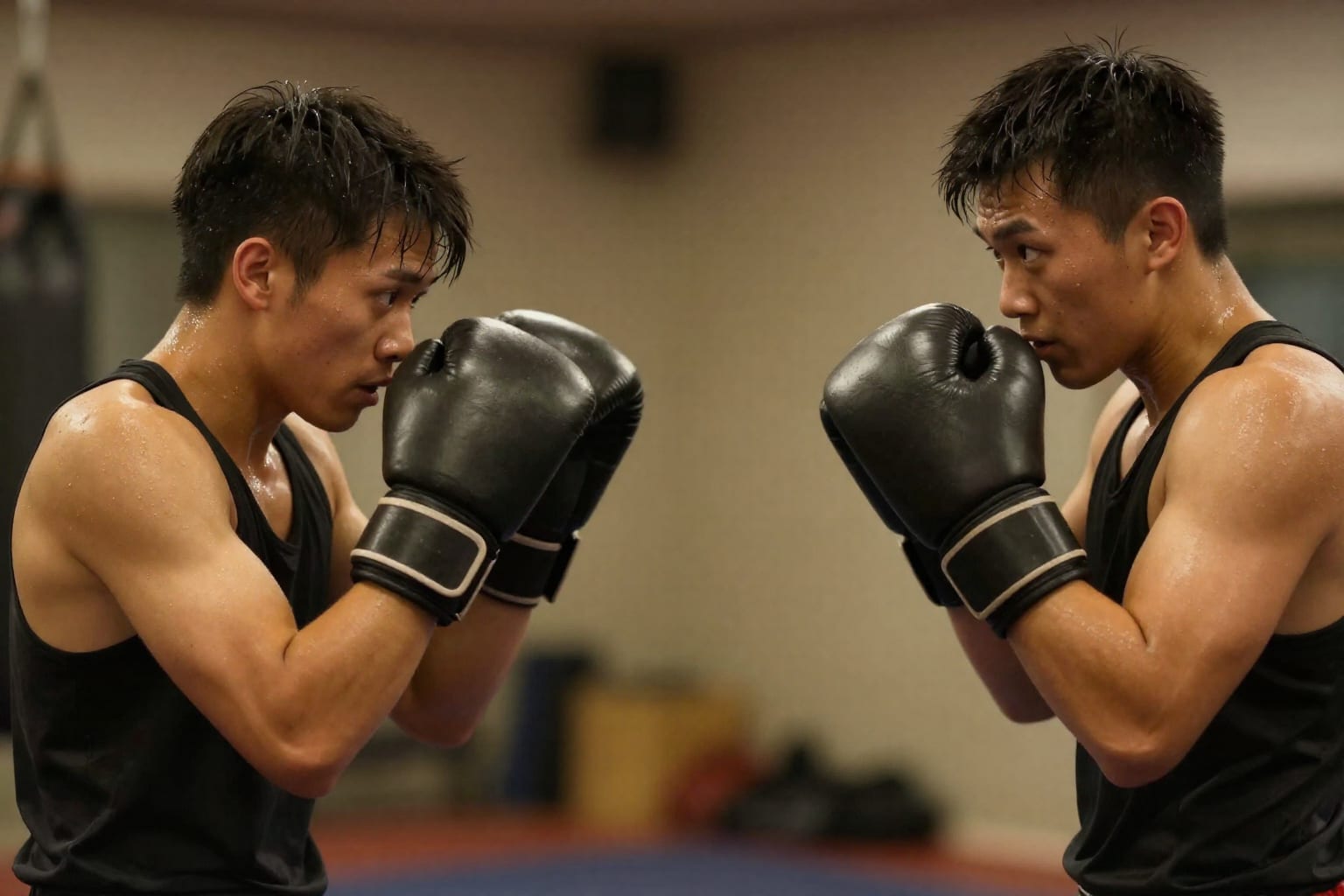
I remember the first time I stepped into a Muay Thai gym, thinking I was in decent shape from years of lifting and jogging. Three rounds of pad work later—sweat pooling on the mat, lungs screaming—I had to admit I’d been wrong. That session burned somewhere north of 800 calories, and it made me realize: not all martial arts are created equal when it comes to energy expenditure. As a trainer who’s coached clients through boxing, BJJ, and kickboxing, I’ve seen the numbers and felt the difference. Here’s the honest verdict on which martial art torches the most calories—and why the answer isn’t as simple as picking the flashiest move.
Why Calorie Burn Varies So Much Between Martial Arts
Calorie burn isn’t just about how hard you swing or how fast you move. It’s a cocktail of intensity, duration, muscle mass recruited, and the type of movement—aerobic versus anaerobic. Striking arts like Muay Thai and boxing demand explosive power from your legs, core, and arms, often in high-rep bursts. Grappling arts like Brazilian Jiu-Jitsu rely on sustained isometric tension and rolling, which keeps your heart rate elevated but in a different rhythm. Then there’s the class structure: a typical boxing class might include jump rope, shadowboxing, and heavy bag intervals, all pushing your cardiovascular system hard. A BJJ class often starts with drilling technique at a moderate pace before live sparring ramps up the intensity. The result? A 155-pound person can burn anywhere from 400 to 1,000 calories per hour, depending on the style and how they train. The key takeaway: don’t assume one art is automatically better—your effort level, body weight, and even the coach’s programming matter just as much.
The Top 5 Martial Arts for Calorie Burn (Ranked by a Trainer)
I’ve ranked these based on typical class formats, average intensity, and the muscle mass engaged, drawing from my own experience and widely cited data from sources like the American Council on Exercise. Remember, these are per-session ranges for a 155-pound person—your numbers will vary, but the order holds true.
- Muay Thai (600–1,000 calories/hour) — The “art of eight limbs” uses fists, elbows, knees, and shins, meaning you’re constantly engaging your legs, core, and upper body in compound movements. A typical class includes skipping rope, shadowboxing, heavy bag work, and pad drills with a partner, often at high intensity. In my own training, a 60-minute Muay Thai session with focus on clinch work and kicks left me drenched and depleted—the calorie burn is real.
- Kickboxing (550–900 calories/hour) — Similar to Muay Thai but without elbows and knees, kickboxing still recruits the lower body heavily. Classes often incorporate HIIT-style rounds: a minute of high-knee kicks, then a minute of punching combos. I’ve seen clients burn 700 calories in a 45-minute session when they push the pace.
- Boxing (500–800 calories/hour) — Boxing relies on footwork, core rotation, and arm power. A standard class—jump rope, shadowboxing, heavy bag, mitt work—can easily hit 600 calories. The continuous movement and lack of rest between drills keep the heart rate up. One caveat: if you’re just hitting a bag at low effort, you’ll see lower numbers.
- Mixed Martial Arts (MMA) (500–900 calories/hour) — MMA combines striking and grappling, so the calorie burn depends on the session’s focus. A sparring-heavy class with both stand-up and ground work can rival Muay Thai, but the variation makes it harder to pinpoint. I’ve seen fighters burn 800 calories in a 90-minute session with wrestling drills and striking sparring.
- Brazilian Jiu-Jitsu (400–700 calories/hour) — BJJ is more anaerobic, with bursts of effort during rolls and longer rest periods between drills. A 155-pound person might burn 500–600 calories in an hour of light rolling, but a hard sparring session can push 700. The muscle-building aspect—especially in the back, legs, and core—adds metabolic benefits that last beyond the class.
To put this in perspective, a moderate jog burns about 500–600 calories per hour, so martial arts can exceed that with the right intensity. But the real edge is the variety: you’re not just moving in one plane, so your body adapts less quickly.
How to Maximize Calorie Burn in Any Martial Art
No matter which style you choose, you can crank up the calorie burn with a few tweaks. First, shorten rest periods. In a boxing class, instead of taking a full minute between rounds, try 30 seconds. Second, increase the pace of your combinations—throw punches or kicks at 80–90% effort instead of coasting. Third, use heavier equipment. A heavier bag or a resistant partner forces your muscles to work harder. In BJJ, rolling with someone who pushes your pace (rather than a beginner) naturally increases intensity. I also recommend adding high-intensity intervals outside class, like 30-second sprints on a bike, to boost your overall metabolic rate. One counter-intuitive tip: don’t skip technique work. Drilling at a moderate pace still burns calories and builds neuromuscular efficiency, which lets you work harder when you do go all-out. Finally, combine arts—say, two days of Muay Thai and one day of BJJ—to keep your body guessing and avoid plateaus.
The Real Fitness Payoff: Beyond the Calorie Count
Here’s where I push back on the obsession with numbers. Calorie burn is a useful metric, but it’s not the only one. Martial arts build lean muscle, improve cardiovascular conditioning, enhance coordination, and provide stress relief in ways that a treadmill can’t match. A client of mine, a 45-year-old woman who started kickboxing to lose weight, lost 15 pounds in three months—but she stayed because she felt stronger, more confident, and slept better. The muscle she gained from the rotational power in her punches and the stability in her core raised her resting metabolism, helping her burn more calories even on rest days. So, if you’re choosing between styles, pick the one you’ll actually show up for. A high-calorie burn art you hate is worse than a moderate one you love. For beginners, I often suggest boxing or kickboxing because they’re easy to learn and deliver immediate fitness results. But if you prefer the puzzle of grappling, BJJ will keep you engaged and fit for years.
Here’s a quick reference table for a 155-pound person:
| Martial Art | Calories per Hour (Range) | Key Factors |
|---|---|---|
| Muay Thai | 600–1,000 | Full-body striking, high intensity |
| Kickboxing | 550–900 | Leg-heavy, HIIT-style classes |
| Boxing | 500–800 | Upper body, continuous movement |
| MMA | 500–900 | Varied, depends on focus |
| BJJ | 400–700 | Anaerobic, muscle building |
Worth bookmarking this before your next class—it’s a solid reference for setting expectations.
Frequently Asked Questions
Is boxing or kickboxing better for burning calories?
Kickboxing often edges out boxing because it engages more muscle groups (legs, core, arms) simultaneously, leading to slightly higher energy expenditure per minute, but both are excellent.
Can I lose weight doing Brazilian Jiu-Jitsu?
Yes, BJJ burns around 500–700 calories per hour depending on intensity and body weight, and its grappling nature builds lean muscle which boosts metabolism long-term.
How many calories does a typical Muay Thai class burn?
A 60-minute Muay Thai class can burn 600–1,000 calories for a 155-pound person, especially with heavy bag work and pad drills.
Does martial arts build muscle as well as burn fat?
Absolutely—martial arts combine resistance (bodyweight, striking, grappling) with cardio, promoting both fat loss and muscle tone, especially in the legs, back, and core.
Which martial art is best for beginners wanting to lose weight?
Kickboxing or boxing are often recommended because they’re easy to pick up, have high calorie burn, and don’t require complex technique to get a great workout.
Practical takeaway: Stop overthinking the number on the calorie chart. Pick a martial art that excites you, push your intensity, and trust the process—the fat loss, muscle, and confidence will follow. For most people, consistency beats perfection every time.

Clarissa Vanner
Clarissa writes practical health and lifestyle stories with a warm, useful editorial voice.