
7 Low-Impact Workout Options for Joint Pain That Actually Work (2026 Guide)
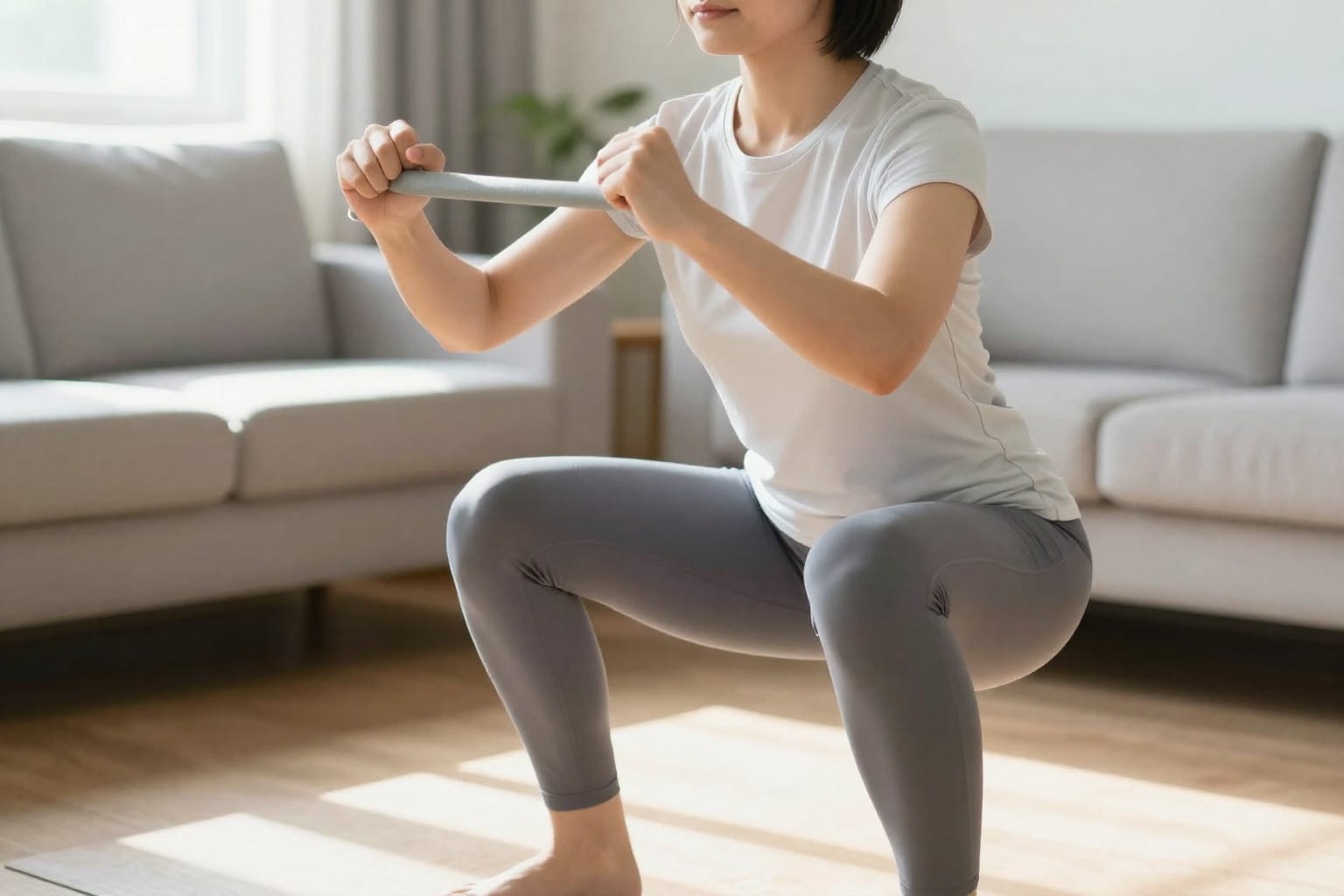
Last winter, I spent more time icing my knees than actually moving. Every step felt like a negotiation—"If I walk to the mailbox, will I pay for it tomorrow?" I was stuck in that frustrating loop where the thing that's supposed to help (exercise) seemed to make everything worse. But after months of trial and error, I found something that broke the cycle: low-impact workouts that actually worked for my angry joints. No gimmicks, no magic pills—just a handful of moves that let me move again without flinching. If you're nodding along, this guide is for you. Here are seven low-impact workout options for joint pain that I've tested, refined, and swear by in 2026.
Why Low-Impact Workouts Are Your Joint's Best Friend (And What to Avoid)
Here's the simple science: every time you land from a jump or pound pavement, your joints absorb a shock wave—roughly two to four times your body weight. For healthy joints, that's manageable. For someone with arthritis, tendinitis, or general wear-and-tear, it's like hitting a bruise with a hammer. Low-impact exercise flips the script: you keep your heart rate up and muscles engaged without that jarring, compressive force. Think gliding, not stomping.
The biggest myth I had to unlearn was "no pain, no gain." That phrase is dangerous when your joints are involved. Pain during movement often means inflammation, cartilage stress, or a tendon that's screaming for a break—not a sign you're getting stronger. Low-impact workouts let you build stamina and strength by working with your body's limits, not against them. So what should you avoid? Anything that involves sudden stops, heavy pounding, or rapid direction changes—think running on concrete, high-intensity plyometrics, or heavy lifting with poor form. Save those for later, if ever.
7 Low-Impact Workout Options That Actually Work (2026 Guide)
1. Swimming and Water Aerobics
Why it works: Water supports up to 90% of your body weight, so your hips and knees feel almost zero impact. Plus, the resistance of water builds muscle without heavy weights. When I tried a 30-minute water jogging session, I was shocked at how sore my legs were the next day—in a good way, like I'd actually done something.
Pro tip: Start in chest-deep water to maintain balance. Focus on gentle kicks and arm pulls—no high knees or fast laps until you're comfortable.
2. Stationary Cycling (Recumbent or Upright)
Why it works: The circular pedaling motion is smooth and non-jarring. A recumbent bike is especially forgiving for lower back and hip pain because it supports your spine. I once did a 45-minute spin session on a recumbent bike and felt zero knee pain—something I couldn't say about my morning walk.
Pro tip: Adjust the seat height so your leg is almost fully extended at the bottom of the pedal stroke. That slight bend prevents over-stressing your knee joint.
3. Resistance Band Workouts
Why it works: Bands provide constant tension without the heavy load of dumbbells. You can control the resistance by how much you stretch the band, which means zero risk of dropping a weight on your foot or overloading a joint suddenly. For knee pain, I do seated leg extensions with a light band—it targets the quad without irritating my patella.
Pro tip: Anchor the band to a sturdy piece of furniture or a door frame. Start with the lightest resistance (usually yellow or red) and focus on slow, controlled reps—3 sets of 12.
4. Yoga (Gentle or Chair-Based)
Why it works: Yoga improves flexibility, balance, and strength—all crucial for joint stability. But not all yoga is equal. I learned the hard way that power yoga or hot yoga can aggravate hips and shoulders. Gentle yoga, especially chair yoga, lets you stretch without pressure.
Pro tip: Avoid deep lunges or poses that require deep knee bends (like full pigeon pose). Stick with cat-cow, child's pose, and gentle seated twists. Use a chair for balance if needed.
5. Elliptical Trainer
Why it works: The elliptical mimics walking or running but with zero impact because your feet never leave the pedals. It's forgiving on knees and hips while still giving you a solid cardio workout. I personally use it on days when I'm too sore for the bike but still want to sweat.
Pro tip: Keep a natural stride length—don't over-extend. And use the handlebars lightly; leaning hard can strain your wrists and shoulders.
6. Tai Chi
Why it works: This ancient practice combines slow, flowing movements with deep breathing. It's essentially meditation in motion, and it's incredibly gentle on joints. Studies from the Arthritis Foundation show it can reduce pain and improve mobility in people with osteoarthritis.
Pro tip: Find a beginner class that focuses on the 24-form or 10-form. Don't worry about perfection—just moving slowly with your breath is enough.
7. Walking (With Modifications)
Why it works: Walking is the most accessible low-impact workout, but it can still hurt if done wrong. The trick is surface and footwear. I switched to walking on a soft track or grass and invested in supportive shoes with good arch support—it made a world of difference for my knees.
Pro tip: Start with 10-minute walks on flat ground. If your joints feel good after a week, add 2 minutes per session. Use a walking stick or poles if balance is an issue—they take 20% of the load off your knees.
How to Get the Most Out of Your Low-Impact Routine
The secret sauce is consistency, not intensity. Aim for 3–5 sessions per week, each lasting 20–30 minutes. Warm up with dynamic stretches (like leg swings or arm circles) for 5 minutes, then move into your workout. Cool down with static stretches (hold each for 20–30 seconds). Listen to your body: a little muscle fatigue is fine, but sharp joint pain means stop and rest. If you feel good, you can gradually increase time or resistance—but never more than 10% per week to avoid flare-ups.
Sample Weekly Schedule: Mix and Match for Pain-Free Progress
Here's a schedule that works for me:
- Monday: 20 minutes stationary cycling + 10 minutes gentle yoga
- Tuesday: 25 minutes swimming (water jogging or gentle laps)
- Wednesday: Rest or 15-minute walk
- Thursday: 20 minutes resistance band routine + 10 minutes Tai Chi
- Friday: 30 minutes elliptical trainer
- Saturday: 20 minutes gentle yoga or chair yoga
- Sunday: Rest
Feel free to swap days based on how you feel. The key is to keep moving without pushing through pain. This schedule gives your joints both work and recovery—which is exactly what they need.
When to Pause and When to Push: Listening to Your Joints
Here's the rule I live by now: if the pain is sharp, stabbing, or localized in the joint itself, stop. That's joint pain, and it's a red light. If it's a dull ache in the muscles around the joint—like a burn in your quads or glutes—that's muscle fatigue, and it's a yellow light. You can push a little, but back off if it escalates. If you feel grinding, clicking with pain, or swelling, see a physical therapist or doctor before continuing. I ignored a clicking knee once and ended up sidelined for two weeks—learn from my mistake.
Frequently Asked Questions About Low-Impact Workouts and Joint Pain
Can I still build muscle with low-impact workouts?
Absolutely. Many low-impact exercises—like resistance band work, bodyweight circuits, and swimming—build muscle effectively without stressing joints. You might not get huge biceps, but you'll gain functional strength and endurance.
How often should I do low-impact exercise for joint pain relief?
Most experts recommend 3–5 times per week, starting with 20–30 minute sessions and gradually increasing as your joints adapt. Consistency beats intensity every time.
Will walking make my knee pain worse?
Not necessarily. Walking on flat, soft surfaces (like grass or a track) with supportive shoes often helps knee pain by strengthening the muscles around the joint. But if it hurts, stop and try a different surface or shorten your distance.
What's the best low-impact cardio for bad hips?
Swimming and stationary cycling are top choices because they keep your hips moving without bearing full body weight. Water jogging is especially gentle.
Should I stretch before or after my low-impact workout?
Dynamic stretching (like leg swings, arm circles, or walking lunges) before your workout warms up your joints. Static stretching (holding a stretch for 20–30 seconds) is best after your muscles are warm. This combo minimizes injury risk.
Practical takeaway: Low-impact workouts aren't a compromise—they're a smarter, safer way to stay active when your joints need a little TLC. Start with one or two options from this list, see how your body responds, and build from there. Your joints will thank you, and you'll still get the strength and cardio benefits you deserve. Worth bookmarking before your next workout planning session.

Patty Weasler, RN
Patty is a registered nurse and health writer who reviews medical content for clarity and accuracy.