
Lower Cross Syndrome: 4 Common Causes & 7 Corrective Exercises
Introduction: What Is Lower Cross Syndrome and Why You Should Care
I was about 20 minutes into a long grocery run last spring—pushing a cart, reaching for cans on the bottom shelf—when my lower back started that familiar dull ache. By the time I got to the checkout, my hips felt locked, and I was shifting weight from foot to foot like I was standing on hot sand. I’d been sitting at a desk for six months straight, and my body was screaming a message I didn’t yet understand: my muscles were pulling in opposite directions.
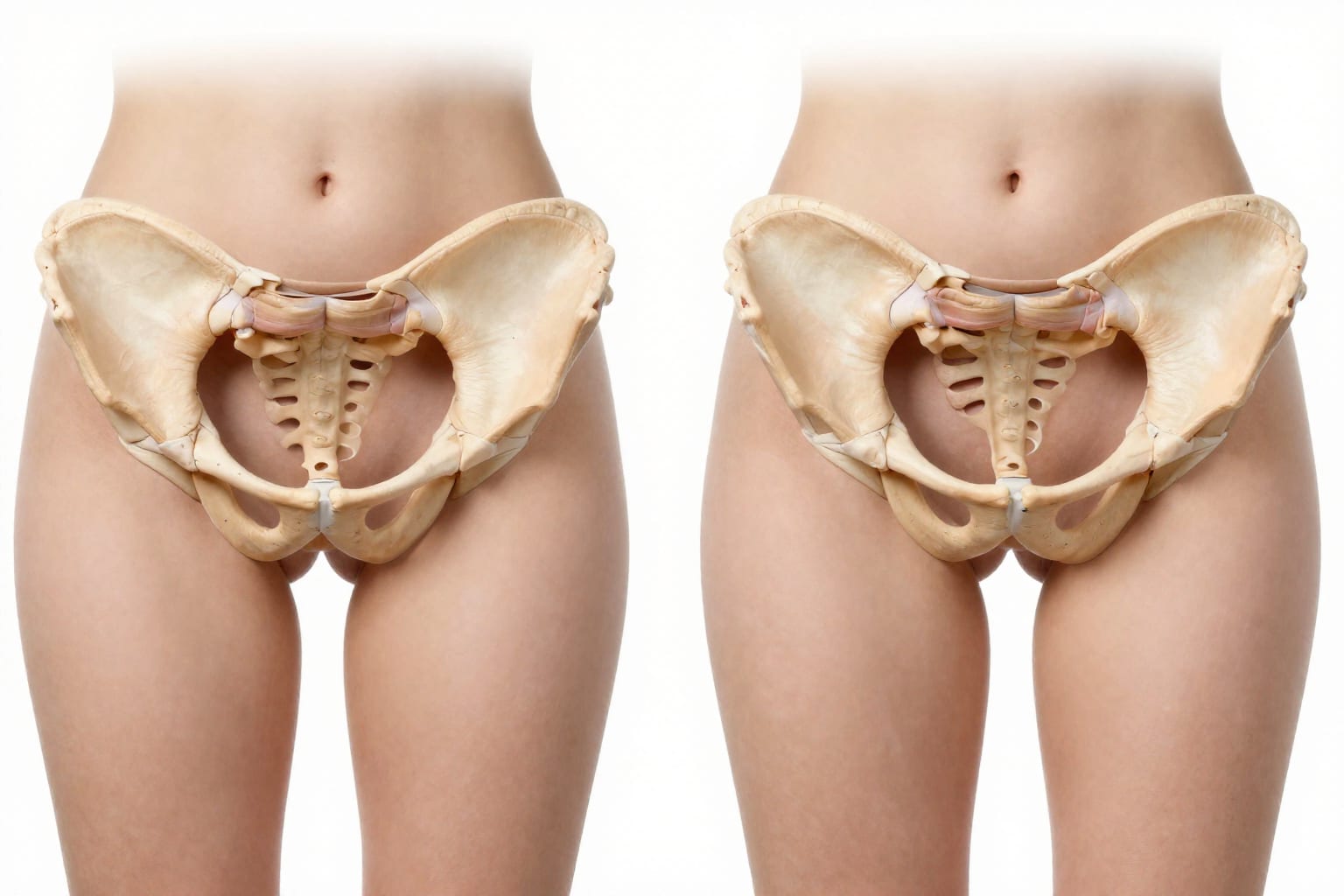
That’s Lower Cross Syndrome (LCS) in a nutshell. It’s a pattern of muscle imbalance where the muscles on the front of your hips (the hip flexors) and your lower back get tight and overactive, while your glutes and abdominal muscles go weak and underactive. Picture a seesaw: tight hip flexors tilt your pelvis forward into an anterior pelvic tilt, and your lower back muscles clench to hold you upright. Meanwhile, your glutes and abs check out. The result? Persistent low back pain, hip stiffness, and a posture that makes you look like you’re perpetually leaning into a headwind. LCS isn’t a disease—it’s a common mechanical mess that affects millions of desk workers, runners, and anyone who sits more than they move.
Understanding LCS matters because it’s fixable. Once you recognize the pattern, you can stop chasing symptoms and start addressing the root cause. In this article, I’ll walk you through the four most common causes of LCS, then give you seven corrective exercises that I’ve personally used to loosen my hips, wake up my glutes, and quiet that nagging lower back ache. No gimmicks—just honest, practical steps.
4 Common Causes of Lower Cross Syndrome
LCS doesn’t happen overnight. It creeps in from daily habits that slowly remodel your muscle balance. Here are the four biggest culprits I’ve seen and experienced.
1. Prolonged Sitting
If you sit for work, you’re in the risk zone. When you sit, your hip flexors (especially the psoas) shorten and stay contracted for hours. Think of them like a rubber band held taut—eventually they lose elasticity and stay short even when you stand up. At the same time, your glutes get squashed into inactivity, a phenomenon researchers call “gluteal amnesia.” I noticed this after a month of 10-hour workdays at my desk: I’d stand up, and my hips felt like they’d been glued into a flexed position. A 2021 study in the Journal of Physical Therapy Science found that sitting for more than six hours a day significantly increases hip flexor tightness and reduces glute activation. That study matched my own experience—my lower back paid the price.
2. Weak Glutes and Core
Your glutes and abs are supposed to act as a natural corset, stabilizing your pelvis and spine. When they’re weak, your lower back and hip flexors take over. I remember trying to hold a plank during a workout class and feeling it entirely in my lower back—my abs had checked out. That’s a classic sign: if your back aches during core work, your glutes and abs aren’t firing. Over time, this imbalance reinforces the LCS pattern. Weakness here isn’t just about gym performance; it affects how you walk, stand, and even breathe.
3. Poor Posture Habits
Standing with your belly pushed forward and your lower back arched (the “Donald Duck” posture) is a hallmark of LCS. But it’s not just standing—poor sitting posture (slouching or leaning back with legs extended) also shortens hip flexors and weakens glutes. I caught myself doing this at my kitchen table: I’d slump into a chair, knees lower than hips, and my pelvis would roll forward. Over weeks, that habit alone made my lower back feel stiff every morning. Posture is a feedback loop: bad posture creates tightness, tightness reinforces bad posture.
4. Repetitive Movements (e.g., Running, Cycling)
This one surprised me. I thought running would fix everything, but if you run with weak glutes, you’re actually reinforcing the imbalance. Running and cycling both require repeated hip flexion, which can tighten the hip flexors even more if you don’t balance it with glute work. I used to log 20 miles a week and wonder why my hips felt tighter afterward. The answer: I was overusing my hip flexors and underusing my glutes. A 2019 review in Sports Medicine noted that runners with anterior pelvic tilt often develop LCS because the repetitive motion amplifies the existing imbalance. So movement itself isn’t the problem—it’s the type of movement without counterbalance.
7 Corrective Exercises to Fix Lower Cross Syndrome
Here’s the routine that finally got my lower back to stop aching. I learned these from a physical therapist and tweaked them over months. They target the two goals of LCS correction: lengthen the tight muscles (hip flexors and lower back) and strengthen the weak ones (glutes and abs). Perform them in this order, 5–6 days a week for best results.
1. Glute Bridge (Activate the Weak)
Lie on your back with knees bent, feet flat on the floor hip-width apart. Squeeze your glutes and lift your hips toward the ceiling, driving through your heels. Hold for 2 seconds at the top, then lower slowly. Why it helps: This directly fires up your glutes, which are often asleep in LCS. I started with 3 sets of 12 reps, and after a week I could feel my glutes working during walks—a huge win. Key cue: Don’t arch your lower back at the top; keep your ribs down and abs braced.
2. Couch Stretch (Lengthen the Tight Hip Flexors)
Kneel in front of a couch, chair, or wall, with your right shin pressed against the vertical surface and your left foot flat on the floor in a lunge position. Keep your torso upright, squeeze your glute on the stretching side, and gently press your hips forward. Hold for 30–45 seconds per side. Why it helps: This stretch targets the psoas and rectus femoris, the two hip flexors that get chronically short from sitting. The first time I did it, I felt a deep release in my groin—almost uncomfortable, but in a good way. Caution: If you have knee issues, place a folded towel under the kneeling knee.
3. Dead Bug (Strengthen the Core Without Straining the Back)
Lie on your back with arms extended toward the ceiling and knees bent at 90 degrees (tabletop position). Slowly extend your right arm and left leg toward the floor, keeping your lower back pressed into the mat. Return to start and repeat on the opposite side. Why it helps: This teaches your abs to stabilize your pelvis without your lower back taking over. I used to hate planks because my back ached; dead bugs were a game-changer because they kept my spine neutral. Do 3 sets of 8 reps per side, moving slowly.
4. Prone Hip Extension (Wake Up the Glutes and Hamstrings)
Lie face down on a mat with legs straight. Squeeze your glutes and lift one leg a few inches off the floor without bending your knee. Hold for 2 seconds, then lower. Why it helps: This isolates the glute and hamstring chain while keeping your lower back from arching—a common compensation. I did 3 sets of 10 per leg, and within two weeks I noticed less lower back pain during standing. Key cue: Keep your hips pressed into the mat; don’t let them lift.
5. Child’s Pose (Stretch the Lower Back)
Kneel on the floor, sit back on your heels, and extend your arms forward on the ground, lowering your chest toward the floor. Hold for 30–60 seconds, breathing deeply. Why it helps: LCS often makes your lower back feel tight and overworked. This gentle stretch releases tension in the lumbar extensors. I use this as a reset between exercises and at the end of my day. It’s simple but effective.
6. Foam Roller Quad/Hip Flexor Release (Self-Myofascial Release)
Lie face down with a foam roller under one thigh, just above the knee. Roll slowly up toward the hip, pausing on any tender spots for 20–30 seconds. Why it helps: Foam rolling reduces muscle tone in the quads and hip flexors, making subsequent stretches more effective. I do this before the couch stretch and notice a big difference in range of motion. If you don’t have a roller, a lacrosse ball works too—just be gentle.
7. Standing Hip Flexor Stretch with Glute Activation (Combo Move)
Stand with feet hip-width apart. Step your right foot back into a lunge position, keeping your back leg straight. Squeeze your right glute and press your right hip forward while keeping your torso upright. Hold for 30 seconds, then switch sides. Why it helps: This combines hip flexor lengthening with glute activation, mimicking the muscle coordination you need for walking and running. It was the last exercise my PT added, and it tied everything together.
How to Build a Sustainable Routine for Long-Term Relief
Correcting LCS isn’t a one-week fix—it’s about consistency. I made the mistake of going hard for three days, then skipping a week, and wondering why my back still hurt. Here’s what works.
Frequency: Do the full set of seven exercises once daily, six days a week. It takes about 15–20 minutes. On day seven, just do the stretches (child’s pose and couch stretch) as maintenance. Progression: After two weeks, add a resistance band to glute bridges and prone hip extensions to increase load. After a month, try single-leg glute bridges. Pair with posture awareness: Set a timer on your phone to stand up every 30 minutes, even for 30 seconds. During those standing breaks, squeeze your glutes and gently tilt your pelvis back to neutral. I do this at my desk and it breaks the sitting cycle.
Realistic expectations: I felt a difference in lower back pain within two weeks, but it took six weeks to feel natural walking with a neutral pelvis. Full correction—where the new posture becomes automatic—took about three months. Be patient. And if you have a disc condition or sharp pain, check with a professional before starting. For a deeper dive on the postural component, see Anterior Pelvic Tilt: 3 Tests and 5 Stretches to Fix It.
Practical Takeaway
Lower Cross Syndrome is common but not permanent. The four causes—prolonged sitting, weak glutes and core, poor posture, and repetitive movement without balance—are things you can address starting today. The seven exercises above target both sides of the imbalance: lengthen the tight hip flexors and lower back, strengthen the glutes and abs. Stick with it for a few weeks, and you’ll likely notice less pain, better posture, and more freedom in your hips. For more on glute activation, check out The Best Glute Activation Exercises for Runners.

ActiveBeat Editorial
Our editorial team turns complex health topics into clear, useful information for everyday life.