
What to Eat Before and After a Workout: 8 Science-Backed Rules
Introduction: Why Your Pre- and Post-Workout Fuel Matters More Than You Think
I’ll never forget the morning I dragged myself to a 6 a.m. spin class, grabbed a coffee on the way, and hit the first sprint with legs that felt like concrete blocks. By minute 20, I was lightheaded, my stomach was churning, and I bailed early—grumpy and defeated. That’s when I realized: showing up is only half the battle. What you eat before and after a workout can make the difference between a session that leaves you buzzing and one that leaves you drained.
Getting your nutrition right isn’t about complicated meal plans or expensive supplements. It’s about a few science-backed rules that help you perform better, recover faster, and stay consistent. I’ve tested these principles in my own routine—from early runs to heavy leg days—and they’ve saved me from countless bonks and sluggish afternoons. Here are the eight rules I swear by, no fluff, just what works.
Rule #1: Time Your Pre-Workout Meal Like a Pro
Timing is everything—not in a trendy way, but in a practical, digestive way. When you eat too close to exercise, your body diverts blood flow to your stomach instead of your working muscles. Cramps, nausea, and sluggishness follow. Eat too far out, and you run out of fuel mid-session.
Here’s the sweet spot I’ve landed on: a full meal 2–3 hours before, or a smaller snack 30–60 minutes prior. If I’m hitting a lunchtime run, I’ll have oatmeal with berries around 10 a.m. For an early morning session? Half a banana 30 minutes out does the trick. One mistake I made early on was eating a heavy, fatty breakfast—like eggs and avocado toast—right before a run. Bad idea. Your body can’t digest fats quickly, and you feel like a lead balloon. Stick to simple, low-fiber carbs and a little protein, and give yourself that buffer.
Rule #2: Prioritize Carbs and a Little Protein Before You Sweat
Carbs are your body’s preferred fuel source during exercise, especially for anything above a gentle walk. Before a workout, you want easily digestible carbohydrates—things like a banana, a slice of toast with jam, or a small bowl of rice cakes. I’ve found that pairing that with a moderate amount of protein (think 10–15 grams) helps stabilize blood sugar and primes muscles for repair.
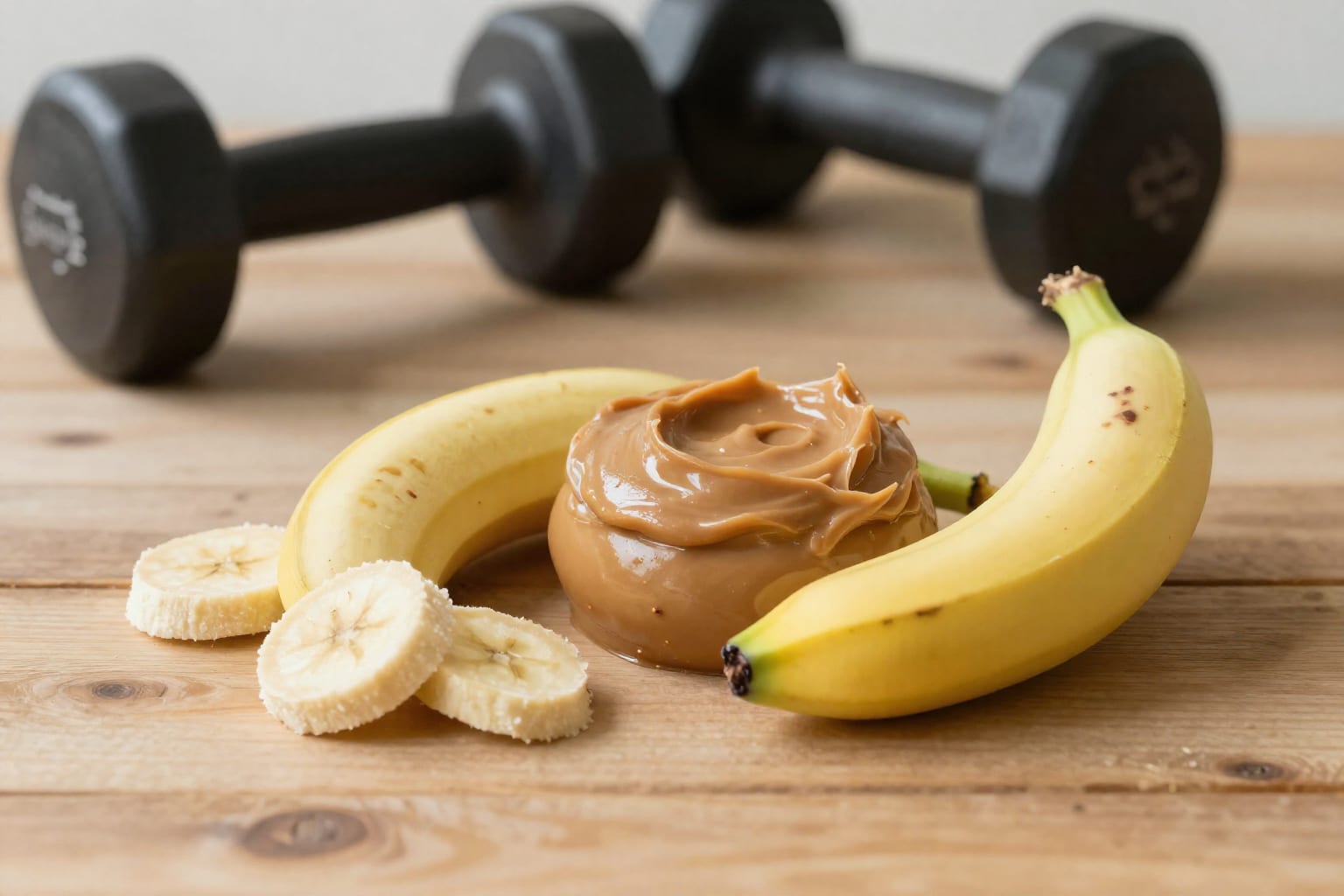
My go-to pre-workout snack? A banana with a tablespoon of peanut butter. It’s portable, quick, and never leaves me feeling heavy. Another favorite is Greek yogurt with a handful of berries—just be cautious if you’re sensitive to dairy during exercise. Avoid high-fiber vegetables, fatty meats, or heavy sauces; they’ll sit in your stomach like a rock. If you’re lifting heavy or doing intervals, aim for about 30–60 grams of carbs from something like a sports drink or a small bagel. For lighter cardio, a piece of fruit works fine.
Rule #3: Hydrate Before You Even Think About Lifting
Dehydration is a silent performance killer. I once went into a weight session after a dry afternoon—no water for hours—and my sets felt twice as hard. My heart rate spiked, my grip slipped, and I cut the session short. Now, I follow a simple rule: drink 16–20 ounces of water about two hours before exercise, then another 8–10 ounces 15–20 minutes prior.
If you’re sweating heavily—long runs, hot yoga, or outdoor workouts—add a pinch of salt or an electrolyte tab to your water. I use a basic electrolyte powder during summer runs, and it makes a noticeable difference in how long I can sustain intensity. Your urine color is a decent gauge: pale yellow means you’re good; dark means you need to drink up. Hydration isn’t just about drinking during exercise—it starts before you even lace up.
Rule #4: Don’t Forget a Quick Fueling Option for Early Morning or Back-to-Back Sessions
Not every day allows for a perfect meal schedule. I’ve had mornings where I roll out of bed and head straight to the gym with 15 minutes to spare. In those situations, a full breakfast is out of the question. The key is a quick, low-volume option that won’t upset your stomach.
My emergency go-tos: half a banana, a small handful of raisins, or a sports drink with about 15–20 grams of carbs. A single date or a spoonful of honey works too. These simple sugars hit your bloodstream fast and provide immediate energy. For back-to-back sessions—like a morning run followed by an afternoon swim—I’ll add a small granola bar or a piece of fruit between them. I’ve learned the hard way that skipping this mini-feed leads to a crash mid-workout and poor recovery. Keep it light, keep it simple, and you’ll be fine.
Rule #5: Replenish Within the ‘Golden Window’ After Your Workout
You’ve probably heard about the “anabolic window”—a 30- to 60-minute period post-exercise when your muscles are supposedly primed for nutrient uptake. The truth is, it’s not as rigid as fitness magazines claim. For most people, eating within 1–2 hours after a workout is sufficient for recovery. The window is real, but it’s not a panic button.
That said, I’ve noticed a difference when I eat sooner rather than later. After a tough leg day, I aim to have a protein-carb combo within an hour. If I wait too long—say, three or four hours—I feel more sore the next day and my energy lags. The science backs this up: consuming protein and carbs soon after exercise helps replenish glycogen stores and initiates muscle repair. If you can’t manage a full meal right away, a recovery shake or a chocolate milk (yes, really) can bridge the gap. Don’t stress if you miss the “golden” minute, but don’t ignore it completely.
Rule #6: Combine Protein and Carbs for the Ultimate Post-Workout Recovery
Post-workout nutrition is where the magic happens. Your muscles are like a sponge—they’re ready to soak up nutrients to rebuild and refuel. The ideal mix: about 20–40 grams of protein (for muscle repair) and 0.5–1 gram of carbs per kilogram of body weight (to replenish glycogen). For a 150-pound person, that’s roughly 30 grams of protein and 60–90 grams of carbs.
My favorite post-workout meal is a chicken quinoa bowl with roasted veggies and a drizzle of olive oil. It’s balanced, satisfying, and easy to prep in batches. When I’m short on time, I blend a scoop of protein powder with a banana, a cup of milk, and a handful of spinach. Greek yogurt with berries and granola is another solid option. For vegan friends, a tofu stir-fry with brown rice or a lentil soup with a side of bread works well. The key is to include both macronutrients—protein alone won’t refill your glycogen stores, and carbs alone won’t repair muscle damage.
Rule #7: Don’t Skip the Fluids After You’re Done
You hydrated before and during your workout, but the job isn’t done when you stop moving. Post-exercise rehydration is crucial for recovery, especially if you’ve sweated heavily. I learned this the hard way after a long summer hike: I didn’t drink enough afterward, and I woke up the next day with a headache and sluggish muscles.
A practical method: weigh yourself before and after a workout. For every pound lost, drink 16–24 ounces of fluid. If you don’t have a scale, aim for at least 20–30 ounces within the first hour after exercise. Water is fine for most sessions, but if you’ve been sweating heavily for over an hour, consider an electrolyte drink or add a pinch of salt to your water. I keep a large water bottle on my desk post-gym and sip it consistently through the morning. Your body needs time to rebalance fluid levels, so don’t chug it all at once—spread it out over an hour or two.
Rule #8: Personalize Your Plan—Listen to Your Body and Your Workout Type
Here’s the truth: no single rule works for everyone. The eight rules above are a solid foundation, but you need to adjust based on the type of workout, its intensity, and your personal tolerance. For example, a 30-minute easy jog doesn’t require the same pre-fuel as a two-hour heavy squat session. A strength workout calls for more protein post-exercise, while an endurance session demands more carbs.
I’ve experimented with different snacks and timings over the years, keeping a simple note in my phone to track how I felt during and after each workout. I discovered that I can handle a small banana before morning cardio, but black coffee on an empty stomach leaves me shaky. My girlfriend, on the other hand, thrives on a slice of toast with almond butter before her runs. Your digestive system, energy needs, and goals are unique. Start with these rules as a guide, then tweak. Try a new pre-workout snack for a week, note your energy and recovery, and adjust. Over time, you’ll build a personalized nutrition plan that makes every session feel better.
Frequently Asked Questions
Can I work out on an empty stomach?
It depends on the workout. Fasted cardio—like a light morning jog—is fine for some people, especially if fat adaptation is a goal. But for strength training or high-intensity intervals, a small snack can improve performance and prevent muscle breakdown. I’ve done both, and I prefer having at least a few carbs before heavy lifting.
What’s the best pre-workout snack if I have less than 30 minutes?
A piece of fruit like a banana or a small handful of raisins. Simple carbs digest quickly and provide immediate energy. Avoid anything high in fiber or fat, which can cause stomach issues.
Is it necessary to eat protein right after a workout?
Not instantly, but within 1–2 hours is ideal. Protein helps repair muscle tissue, and combining it with carbs speeds glycogen restoration. If you can’t manage a full meal, a protein shake or chocolate milk works as a quick option.
Can I drink coffee before a workout?
Yes, caffeine can boost focus and performance. I’ve had great workouts after a cup of black coffee. Just avoid heavy cream or sugar if you’re sensitive to digestion during exercise. If you’re prone to jitters, stick to a half-cup or try green tea instead.
What should I eat if my workout is very early in the morning?
A small, easily digestible snack like half a banana, a few dates, or a small glass of juice. This prevents hunger without causing stomach upset. I’ve found that even a few sips of a sports drink can make a difference.
These eight rules have transformed how I approach workout nutrition—from feeling sluggish to staying consistent and seeing real progress. Start with one change this week, like timing your pre-workout snack better, and build from there. Your body will thank you, and your workouts will feel a whole lot easier.

Patty Weasler, RN
Patty is a registered nurse and health writer who reviews medical content for clarity and accuracy.