
Feeling Run Down? 5 Nutrient-Packed Meals to Fight a Cold
Introduction: Why Your First Line of Defense Is on Your Plate
Last Tuesday, I felt that familiar tickle at the back of my throat — the one that whispers, You’re about to be sidelined. By noon, my energy dipped, my sinuses started to ache, and I knew a cold was brewing. Instead of reaching for the nearest box of decongestants, I walked to my kitchen and opened the fridge. Over the next few days, I ate my way through five specific meals that didn’t cure the cold (nothing does that overnight) but genuinely made me feel less miserable and helped me bounce back faster. Here’s exactly what I ate — and why each dish works.
When you’re run down, your immune system needs fuel: vitamins, minerals, protein, and hydration. These five meals deliver those without requiring a culinary degree or a special grocery run. They’re the real-world, first-hand meals I turned to during my own cold, and they’ve become my go-to arsenal ever since.
1. The Immune-Boosting Chicken Soup (With a Zinc Twist)
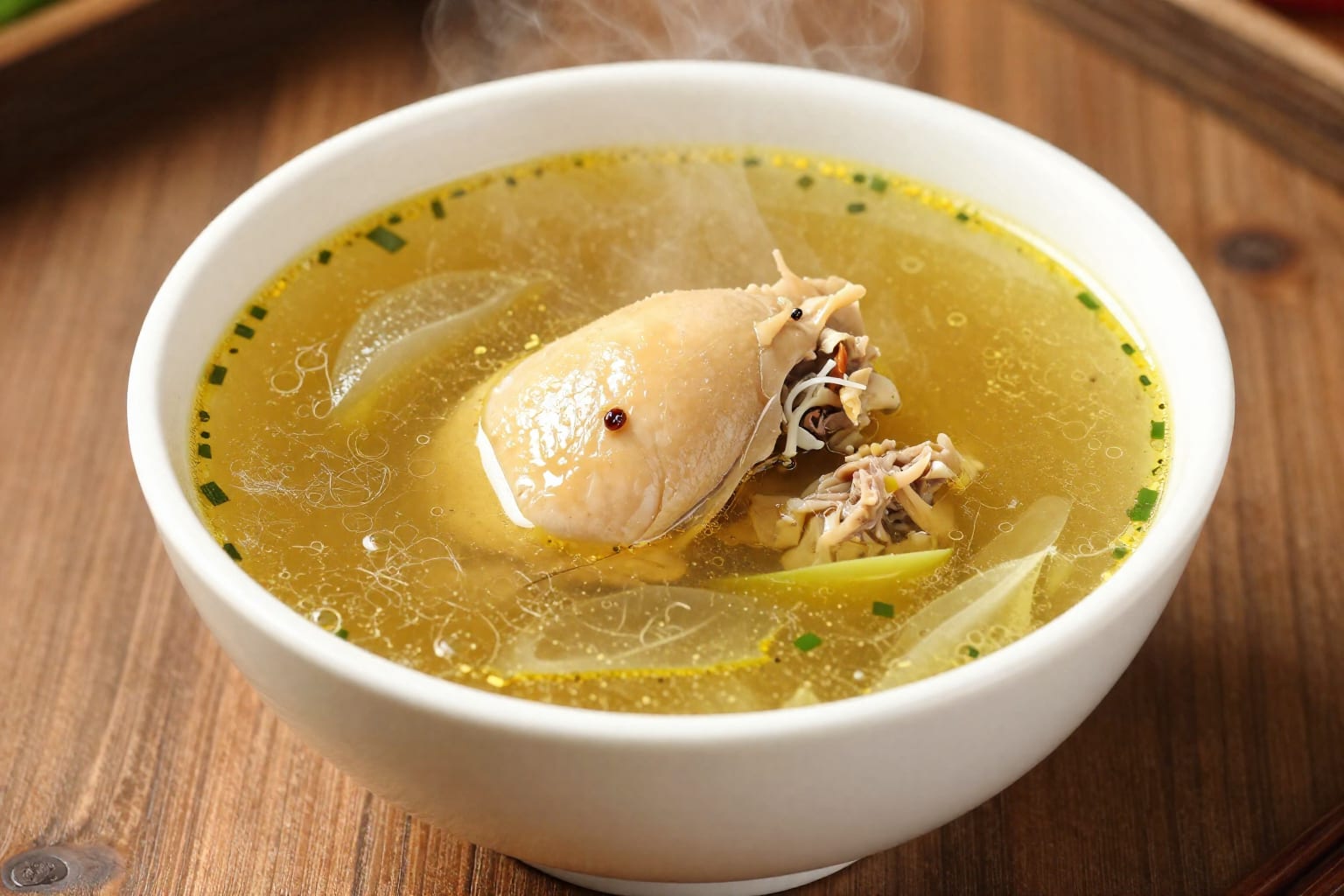
Let’s start with the classic. Chicken soup isn’t just comfort — it’s science. But I’ve tweaked mine to double down on zinc, a mineral that the Cochrane Review has shown can shorten the duration of colds when taken within 24 hours of symptoms. My version uses zinc-rich ingredients like chickpeas and pumpkin seeds alongside the chicken.
Here’s how I made it: I sautéed onion, garlic, and celery in olive oil, then added chicken thighs, carrots, and a can of chickpeas. Instead of plain water, I used bone broth for extra protein and minerals. At the end, I stirred in a handful of pumpkin seeds (a surprising zinc powerhouse) and fresh parsley. The broth was savory, slightly sweet from the carrots, and deeply warming. Within an hour of eating, the steam alone helped clear my nasal passages, and the zinc gave me a small sense of doing something proactive.
Why it works: Zinc supports immune cell function, and the hot liquid helps loosen mucus. Plus, the protein from chicken and chickpeas provides amino acids your body uses to build antibodies. I make a big batch and freeze portions — it’s the ultimate “I feel something coming on” meal.
2. Spicy Ginger-Turmeric Noodle Broth to Clear Congestion
Three days in, my sinuses were full and my throat felt raw. That’s when I turned to a spicy, anti-inflammatory noodle broth. Ginger and turmeric have been studied for their anti-inflammatory properties — PubMed research supports their role in reducing oxidative stress during illness. I added a sliced red chili for capsaicin, which thins mucus and provides temporary relief from stuffiness.
How I made it: I simmered fresh ginger slices, turmeric root (or 1 teaspoon powder), and a chopped chili in vegetable broth for 10 minutes. Then I added rice noodles, a handful of spinach, and a squeeze of lime. The result was a warming, slightly fiery broth that soothed my throat and made me breathe easier. The steam alone was worth it — I leaned over the pot, inhaling deeply before I even ate.
Pro tip: If you’re sensitive to spice, reduce the chili to a tiny pinch of cayenne. The ginger and turmeric do the heavy lifting for inflammation. I ate this for lunch and dinner on day three, and by the next morning, my sinuses felt noticeably less clogged.
3. Vitamin C-Packed Smoothie Bowl (No Cooking Required)
When you’re exhausted and your kitchen feels like a construction zone, a smoothie bowl is a lifesaver. I wanted something that didn’t require turning on a stove but still packed a vitamin C punch. The National Institutes of Health notes that while vitamin C supplements don’t prevent colds, they may slightly reduce duration — and whole foods are always better.
My go-to recipe: In a blender, I combine one kiwi (peeled), half an orange (peeled), a handful of frozen mixed berries, a tablespoon of chia seeds, and a splash of coconut water. The kiwi alone has more vitamin C per gram than an orange. I blend until thick, then top with a few blueberries and a sprinkle of unsweetened coconut flakes. It’s tart, refreshing, and takes exactly 3 minutes. On mornings when chewing felt like a chore, this was my breakfast.
Why it works: The vitamin C from multiple fruits supports immune cell activity, and the chia seeds add fiber and omega-3s. Plus, the cold temperature can be soothing if you have a fever or feel overheated. I like to make a double batch and sip it slowly.
4. Salmon and Sweet Potato Sheet Pan Dinner for Omega-3 and Vitamin A
By day four, I was tired of soups. I craved something substantial but still gentle. A sheet pan dinner of salmon and sweet potatoes became my savior. Salmon is rich in omega-3 fatty acids, which help reduce inflammation — key when your body is fighting a virus. Sweet potatoes are loaded with vitamin A, which supports the integrity of mucous membranes and immune cells.
How I made it: I preheated the oven to 400°F. I cubed two sweet potatoes, tossed them with olive oil, salt, and smoked paprika, and spread them on a baking sheet. After 15 minutes, I added two salmon fillets (skin-on, seasoned with garlic powder and lemon zest) to the same tray. I roasted everything for another 12 minutes until the salmon flaked easily. I served it with a handful of arugula dressed in lemon juice.
The result: The sweet potatoes were creamy and sweet, the salmon was tender, and the whole meal felt nourishing without being heavy. I ate it while curled up on the couch, and it gave me enough energy to actually take a short walk later. The vitamin A from the sweet potatoes helps repair the lining of your respiratory tract — a small but important detail when you’ve been coughing.
Trade-off note: This meal takes about 30 minutes total, so it’s not a “5-minute fix.” But the hands-off roasting means I could rest while it cooked. If you’re too tired to prep, microwave a sweet potato and eat it with canned salmon — still works.
5. Overnight Oats with Probiotic Yogurt and Honey for Gut Health
Finally, breakfast should support your gut, because 70% of your immune system lives there. Probiotic-rich yogurt helps maintain a healthy gut microbiome, which in turn influences immune responses. Honey is a natural cough suppressant and antimicrobial — just don’t give it to infants under 1 year old.
My overnight oats recipe: In a mason jar, I mix 1/2 cup rolled oats, 1/2 cup plain Greek yogurt (with live cultures), 1/2 cup milk (dairy or oat), 1 tablespoon chia seeds, and 1 tablespoon honey. I stir, refrigerate overnight, and in the morning, I top with sliced banana and a few walnuts. The oats provide fiber that feeds gut bacteria, and the yogurt delivers probiotics. The honey coats my throat and soothes coughing.
Why it worked for me: On day five, my energy was returning, but my throat was still scratchy. This breakfast was gentle, filling, and didn’t require any morning effort. I made a batch for three days straight. If you’re dairy-sensitive, use coconut yogurt and a plant-based milk — just check the label for live cultures.
Conclusion: Listen to Your Body, Not Just the Recipe
These five meals aren’t a magic pill. They won’t make your cold disappear overnight. But they will give your immune system the nutrients it needs to fight harder, while making you feel cared for. The most important thing is rest and hydration — these dishes support that foundation, not replace it. Next time you feel that scratchy throat, head to the kitchen first. Your body will thank you.
Practical takeaway: Keep a bag of frozen ginger, a can of chickpeas, and a sweet potato in your pantry. When a cold hits, you’ll have a head start on recovery.

Patty Weasler, RN
Patty is a registered nurse and health writer who reviews medical content for clarity and accuracy.