
What to Eat Before a Long Drive: 5 Snacks That Keep You Alert
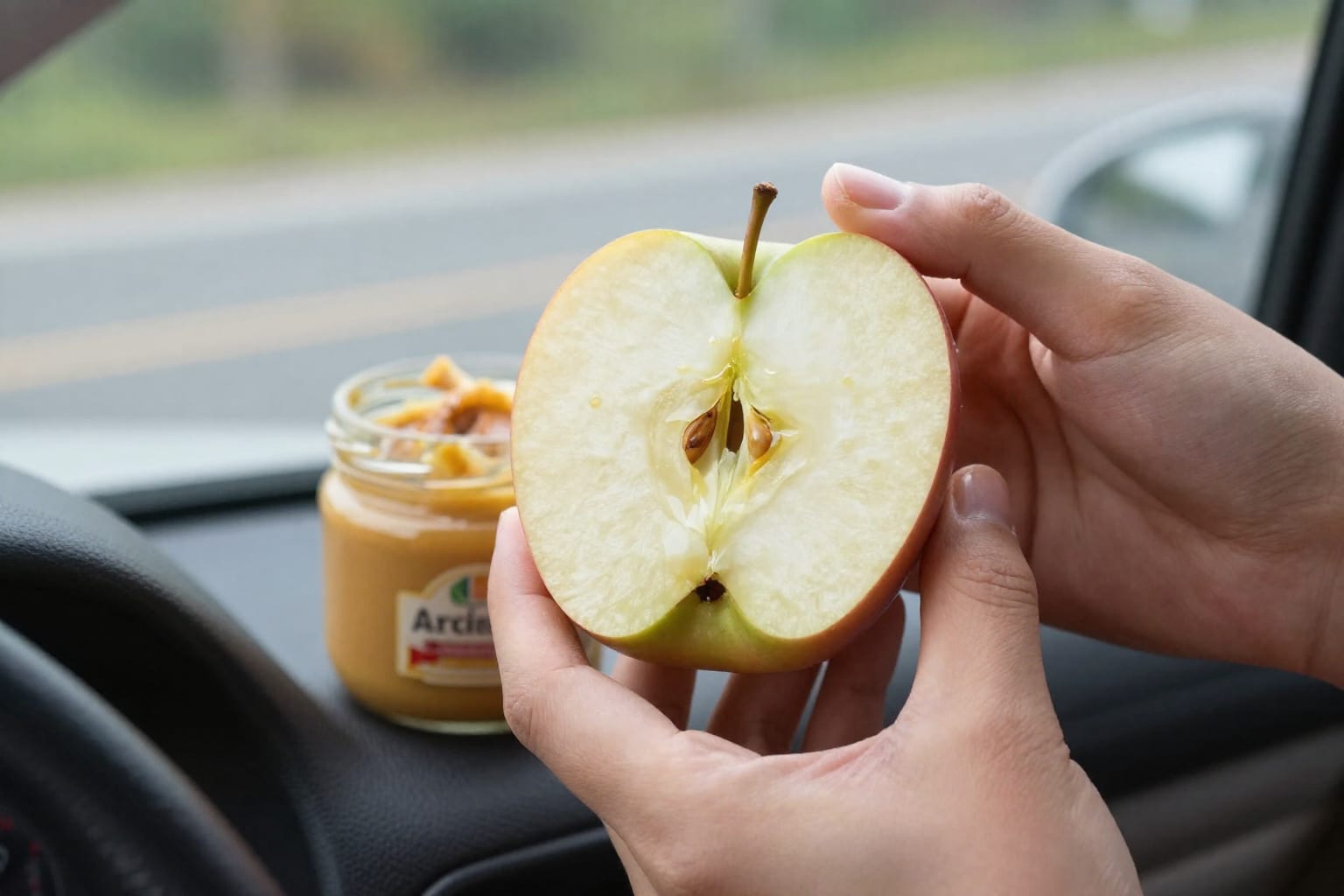
I learned this lesson the hard way. Last summer, I decided to power through a six-hour drive to the coast with nothing but a giant gas-station coffee and a bag of gummy bears. By hour three, my eyelids were heavy, my focus was shot, and I had to pull over twice just to splash water on my face. The caffeine gave me a jittery twenty-minute boost, then dropped me into a fog that made the last two hours feel like a crawl through molasses. That day I realized: what you eat before a long drive matters more than coffee. The right snacks stabilize your blood sugar, keep your brain sharp, and prevent the dreaded food coma. Here's exactly what to pack for your next road trip, based on what works—and what I wish I'd known earlier.
Why What You Eat Before a Long Drive Matters More Than Coffee
Most drivers reach for caffeine as a first line of defense against drowsiness. But the problem is that caffeine is a band-aid, not a solution. When you drink coffee on an empty stomach or pair it with a sugary pastry, you get a rapid spike in blood sugar followed by a crash. That crash feels exactly like fatigue—slower reaction times, zoning out, even microsleeps. The National Highway Traffic Safety Administration estimates that drowsy driving causes over 100,000 crashes annually in the US. And while caffeine can temporarily mask sleepiness, it does not fix the underlying energy deficit.
The real key to staying alert behind the wheel is steady blood sugar. When your body has a consistent supply of slow-burning fuel—protein, healthy fats, and complex carbohydrates—your brain stays focused, your mood stays even, and you avoid the post-meal energy dip that makes you want to pull over for a nap. That is why strategic snacking matters more than any energy drink. Think of it this way: you are asking your body to sustain concentration for hours. Would you rather fuel it with a rocket that fizzles out after twenty minutes, or with a steady flame that lasts the whole trip?
I used to think a big breakfast before driving was smart—eggs, toast, maybe some bacon. But I learned that a heavy meal, especially one high in refined carbs or saturated fat, diverts blood flow to your digestive system and away from your brain. That is the classic food coma. So the goal is not just to eat something, but to eat the right things at the right times.
5 Science-Backed Snacks That Keep You Alert (and What to Avoid)
Here are five snacks I have tested on multiple long drives. They are easy to pack, don't require refrigeration (though a small cooler helps), and they deliver exactly what your brain needs: steady energy without the crash.
1. Apple Slices with Almond Butter
This is my go-to. The apple provides fiber and natural sugars that release slowly, while the almond butter adds protein and healthy fat to slow digestion even further. The combination keeps your blood sugar stable for about two hours. Pack a whole apple and a single-serving packet of almond butter—just slice the apple at a rest stop. I prep mine the night before and store them in a small container. One apple with two tablespoons of almond butter gives you roughly 250 calories, which is perfect for a mid-drive snack.
2. A Handful of Walnuts and a Banana
Walnuts are rich in omega-3 fatty acids, which support brain function and reduce inflammation. Bananas provide potassium, which helps prevent muscle cramps and maintains nerve function—both important for staying alert. Together, they make a portable, no-mess snack. I keep a small bag of walnuts in my center console and grab a banana at the gas station. The key is portion control: about a quarter cup of walnuts (roughly 14 halves) and one medium banana. That is about 200 calories and will keep you going for a couple of hours.
3. Hard-Boiled Eggs with a Few Cherry Tomatoes
Eggs are a perfect protein source. One large egg has six grams of protein, plus choline, a nutrient that supports memory and cognitive function. Pairing them with cherry tomatoes adds vitamin C and a bit of hydration. I boil six eggs the night before a trip, peel them, and put them in a small container with a few tomatoes. They are easy to eat one-handed at a rest stop. The protein digests slowly, so you do not get that energy spike and crash.
4. Greek Yogurt with Berries (in a Small Cooler)
If you have a small cooler, this is a fantastic option. Greek yogurt is packed with protein—about 15-20 grams per serving—and probiotics that support gut health. Berries add antioxidants and natural sweetness without a sugar spike. I use plain, unsweetened Greek yogurt and toss in a handful of frozen blueberries; they thaw by the time I am ready to eat. The key is to keep it small—about three-quarters of a cup of yogurt with half a cup of berries. That is around 150 calories and provides steady energy for three hours.
5. Celery Sticks with Peanut Butter and Raisins (Ants on a Log)
This childhood snack is actually a perfect driving fuel. Celery provides water and fiber, peanut butter adds protein and fat, and raisins offer quick natural sugars. The combination gives you a slow release of energy plus hydration. I prep a few stalks the night before and store them in a zip-top bag. They travel well and do not get soggy. The peanut butter sticks to the celery, so there is minimal mess. One serving (two stalks with one tablespoon of peanut butter and a tablespoon of raisins) is about 180 calories.
What to avoid: Stay away from sugary granola bars, candy, chips, and heavy fast food. These cause rapid blood sugar spikes followed by crashes that mimic drowsiness. Also skip anything high in sodium, like beef jerky or salted nuts, because they can lead to dehydration, which also impairs focus.
The Timing Trick: When to Eat These Snacks for Maximum Focus
Even the best snacks can backfire if you eat them at the wrong time. I learned this after wolfing down an apple with almond butter ten minutes before getting on the highway. The digestion process started, blood flow shifted, and I felt sluggish for the first 45 minutes. The trick is timing.
For a long drive—say, four hours or more—follow the two-hour rule. Eat a balanced meal about two hours before you hit the road. That meal should be moderate in size: think a turkey sandwich on whole-grain bread with a side of carrot sticks, or a bowl of oatmeal with nuts and berries. Avoid large portions of heavy food like a burger and fries, which can trigger drowsiness.
Once you are driving, schedule a small snack (100–200 calories) every two to three hours. I set a timer on my phone for 90 minutes after I start driving. At that point, I pull over at a rest area, stretch my legs, and eat my snack. This serves two purposes: it gives me a break from staring at the road, and it fuels my brain for the next leg. The second snack comes at the three-hour mark, and the third at the five-hour mark if I am driving longer.
If you feel hungry between scheduled snacks, drink water first. Thirst often masquerades as hunger, and even mild dehydration can make you feel tired. Wait ten minutes after drinking, then decide if you need to eat.
Hydration and Alertness: The Overlooked Link You Can’t Ignore
Dehydration is a silent driver of fatigue. According to the CDC, even a 1–2% loss of body weight from fluid loss can impair cognitive performance—including attention, memory, and reaction time. And driving requires all three. I used to think I was fine with a single water bottle for a four-hour drive, but I noticed my eyes getting dry and my concentration slipping around hour three. Now I make sure to sip water steadily throughout the trip.
The challenge is balancing hydration with minimizing bathroom stops. Here is what works for me: sip small amounts of water every 15–20 minutes, rather than chugging a full bottle at once. Aim for about 4–6 ounces per hour. Avoid drinks that act as diuretics, like coffee, tea, and soda, especially in large amounts. If you do have coffee, pair it with a snack and drink an equal amount of water.
Water-rich snacks help too. Celery, cucumbers, bell peppers, and watermelon (if you have a cooler) provide fluid without the need to drink a lot. I pack a small bottle of water and refill it at rest stops. The goal is to stay hydrated without overloading your bladder. A good rule of thumb: if your urine is pale yellow, you are on track. If it is dark, drink up.
Final Checklist: Your Go-To Pre-Drive Snack Kit
Here is a quick-reference checklist to screenshot or save before your next trip. It covers what to eat, when to eat, and what to avoid.
Do's:
- Eat a balanced meal 2 hours before driving (e.g., turkey sandwich on whole-grain bread with veggies).
- Pack 3–4 snacks, each 100–200 calories, combining protein, healthy fat, and fiber.
- Schedule a snack every 2–3 hours, with a stretch break.
- Sip water steadily (4–6 ounces per hour).
- Use water-rich snacks like celery, cucumber, or berries.
Don'ts:
- Don't rely on caffeine alone or drink large amounts of coffee/energy drinks.
- Don't eat heavy, greasy, or sugary foods right before or during driving.
- Don't skip meals or let yourself get very hungry.
- Don't chug water all at once; sip to avoid frequent bathroom stops.
- Don't ignore signs of drowsiness—pull over and rest if needed.
Sample 4-Hour Drive Snack Plan:
- 2 hours before: Oatmeal with walnuts and blueberries (balanced meal).
- At 1.5 hours: Apple slices with almond butter (snack #1).
- At 3.5 hours: Hard-boiled egg and a few cherry tomatoes (snack #2).
- Hydration: Sip water throughout; refill at rest stop at 2-hour mark.
The takeaway is simple: your brain is the most important part of your vehicle. Fuel it right, and the miles will feel shorter and safer. Worth bookmarking before your next road trip.

Patty Weasler, RN
Patty is a registered nurse and health writer who reviews medical content for clarity and accuracy.