
Audiologist vs. Doctor: 5 Signs You Need the Right Expert for Ear Issues
Introduction: The Ear Conundrum – Why Choosing the Right Expert Matters
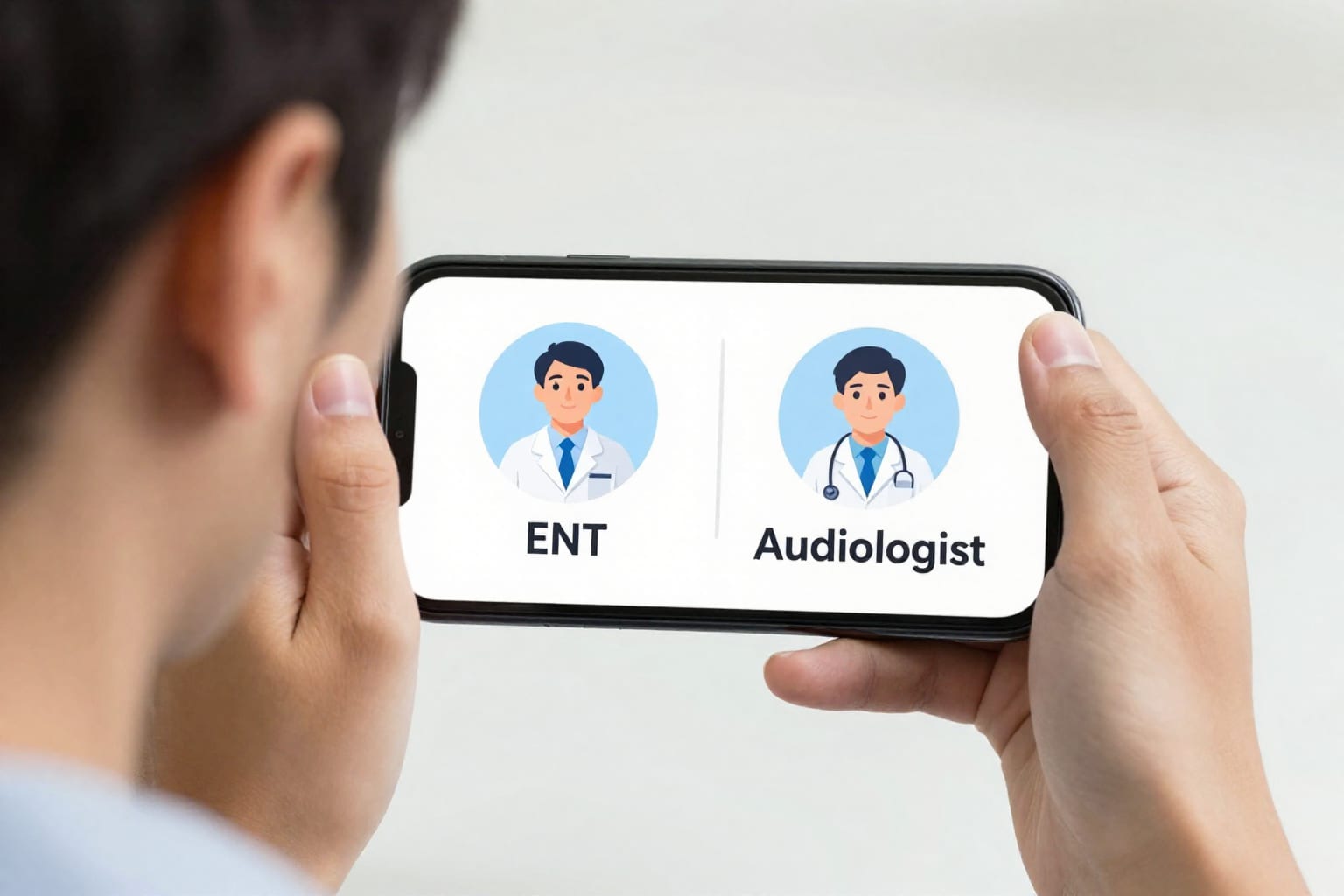
I remember the exact moment I panicked about my ears. It was a Tuesday evening, and after a long day of work, my left ear suddenly felt like it was stuffed with cotton. Sounds were muffled, and a faint, high-pitched ring started—the kind that makes you wonder if you’ve finally blown a speaker. My first instinct was to call my primary care doctor, but then I thought: Should I see an audiologist? An ENT? A walk-in clinic? The confusion is real, and picking the wrong professional can mean delayed relief, unnecessary costs, or even permanent damage. That’s why I’ve put together this guide: five clear signs that tell you exactly which expert you need for your ear issues. No guesswork, just a practical framework to get the right care fast.
Sign 1: Sudden Hearing Loss or Ringing – Why You Probably Need a Doctor First
If your hearing drops suddenly—like over a few hours or days—or you experience a new, persistent ringing in one ear, this is a medical emergency. I’ve had patients tell me they thought it was just wax or a cold, and they waited weeks. That’s risky. Sudden sensorineural hearing loss (SSNHL) is often treatable with high-dose steroids, but only if caught within the first 72 hours. An ENT (ear, nose, and throat doctor) can order an MRI to rule out a tumor or other structural issues, and they’re the ones who can prescribe the medication. An audiologist, on the other hand, is your go-to for gradual hearing loss—the kind that creeps up over months or years. If your hearing is fading without pain, an audiologist can start with a comprehensive hearing test and recommend hearing aids. But for sudden changes, skip the audiologist and head straight to an ENT or emergency room. The American Academy of Otolaryngology-Head and Neck Surgery guidelines emphasize that acute hearing loss is a time-sensitive condition—don’t wait.
Sign 2: Ear Pain, Fullness, or Discharge – When an ENT’s Tools Are Needed
Ear pain, a feeling of pressure, or any discharge (fluid, pus, or blood) usually points to an infection or a blocked eustachian tube. I once had a colleague who tried to treat her own earache with over-the-counter drops, only to find out she had a perforated eardrum—the drops made it worse. A doctor’s otoscope can reveal what’s really going on: a bulging eardrum from infection, wax impaction, or even a foreign object. ENTs can prescribe antibiotics for bacterial infections, perform ear irrigation, or, in severe cases, do a myringotomy (a small incision in the eardrum to drain fluid). Audiologists, while skilled at removing wax with microsuction, are not medical doctors and cannot prescribe medications or perform surgical procedures. If you have pain, fever, or discharge, see a doctor first. If it’s just a wax buildup and you have no history of ear problems, an audiologist can handle it safely.
Sign 3: Gradual Hearing Loss Without Pain – Why an Audiologist Is Your First Stop
This is where the audiologist shines. I’ve seen it dozens of times: a patient in their 60s notices they’re asking people to repeat themselves, or they can’t follow conversations in a noisy restaurant. There’s no pain, no dizziness—just a slow fade. That’s age-related hearing loss (presbycusis) or noise-induced damage, and an audiologist is perfectly equipped to help. They’ll run a full hearing test, including pure-tone audiometry and speech-in-noise testing, to map out exactly which frequencies you’re missing. Then they’ll walk you through hearing aid options, fitting, and rehabilitation. No medical degree needed for this—it’s all about auditory science and devices. In fact, the American Speech-Language-Hearing Association’s scope of practice clearly states that audiologists are the primary providers for non-medical hearing loss. A doctor might refer you here anyway, so save a step and go straight to an audiologist. Just make sure you don’t have any red flags like pain or sudden change—then it’s back to the ENT.
Sign 4: Dizziness, Vertigo, or Balance Problems – A Team Effort
Vertigo can be terrifying. I once had a patient who thought she was having a stroke until her ENT diagnosed benign paroxysmal positional vertigo (BPPV). The thing is, dizziness can come from inner ear disorders (like BPPV, Meniere’s disease, or labyrinthitis) or from something more serious like a neurological issue. That’s why it’s a team effort. Start with an ENT to rule out a stroke or tumor—they can order imaging and perform a physical exam. Then the audiologist takes over for vestibular testing, like videonystagmography (VNG) or posturography, which measures how your inner ear and eyes coordinate balance. Audiologists are the experts in these tests, and their results help the ENT finalize a diagnosis. So if you’re spinning, don’t just pick one—see both. The National Institute on Deafness and Other Communication Disorders notes that balance disorders often require multidisciplinary care, so be prepared for a few appointments.
Sign 5: You’re Not Sure What’s Wrong – The Smartest First Step
If you can’t pinpoint your symptoms—is it hearing loss? Pain? A vague fullness?—start with your primary care doctor or an ENT. They can do a basic ear exam, check for infections or wax, and then point you in the right direction. I’ve seen too many people waste time and money booking an audiologist for what turned out to be a middle ear infection that needed antibiotics. Audiologists are not medical doctors; they can’t diagnose medical conditions like tumors, infections, or autoimmune disorders. Their role begins once the medical issues are ruled out. A good rule of thumb: if there’s any doubt, see a doctor first. It’s the safest, most efficient path. And if you’re worried about cost, remember that many insurance plans cover an ENT visit for ear complaints, while audiologist visits for hearing aids may not be fully covered. Check your benefits.
FAQ: Common Questions About Audiologists vs. Doctors for Ear Issues
Can an audiologist prescribe antibiotics or other medications?
No, audiologists are not medical doctors and cannot prescribe drugs. Only an ENT or primary care doctor can prescribe antibiotics for ear infections or steroids for sudden hearing loss.
Do I need a referral from my primary care doctor to see an audiologist?
It depends on your insurance and the audiologist's practice. Many states allow direct access without a referral, but some plans require one for reimbursement. Check with your provider.
What is the difference between an ENT and an audiologist in terms of training?
An ENT is a medical doctor (MD/DO) who completed medical school and a surgical residency. An audiologist holds a doctoral degree (AuD) focused on hearing and balance testing, rehabilitation, and hearing aids, but cannot perform surgery or prescribe medication.
If I have earwax buildup, should I see a doctor or an audiologist?
Both can remove earwax, but a doctor can also check for underlying issues like a perforated eardrum. Audiologists often use irrigation or microsuction. If you have a history of ear infections or eardrum problems, start with an ENT.
Can an audiologist diagnose Meniere’s disease or BPPV?
Audiologists can conduct vestibular tests (e.g., VNG, ECOG) that strongly suggest these conditions, but the final diagnosis is typically made by an ENT who can correlate results with medical history and imaging.
Practical Takeaway: When your ears act up, let the symptoms guide you. Sudden changes, pain, or discharge mean see a doctor (ENT or primary care). Gradual hearing loss or balance issues? An audiologist is your expert. And if you’re unsure, start with a doctor—it’s the safest bet. Bookmark this guide for your next ear scare—it might save you a trip to the wrong clinic.

Patty Weasler, RN
Patty is a registered nurse and health writer who reviews medical content for clarity and accuracy.