
Why You Still Feel Tired After 8 Hours of Sleep (2026 Fixes)
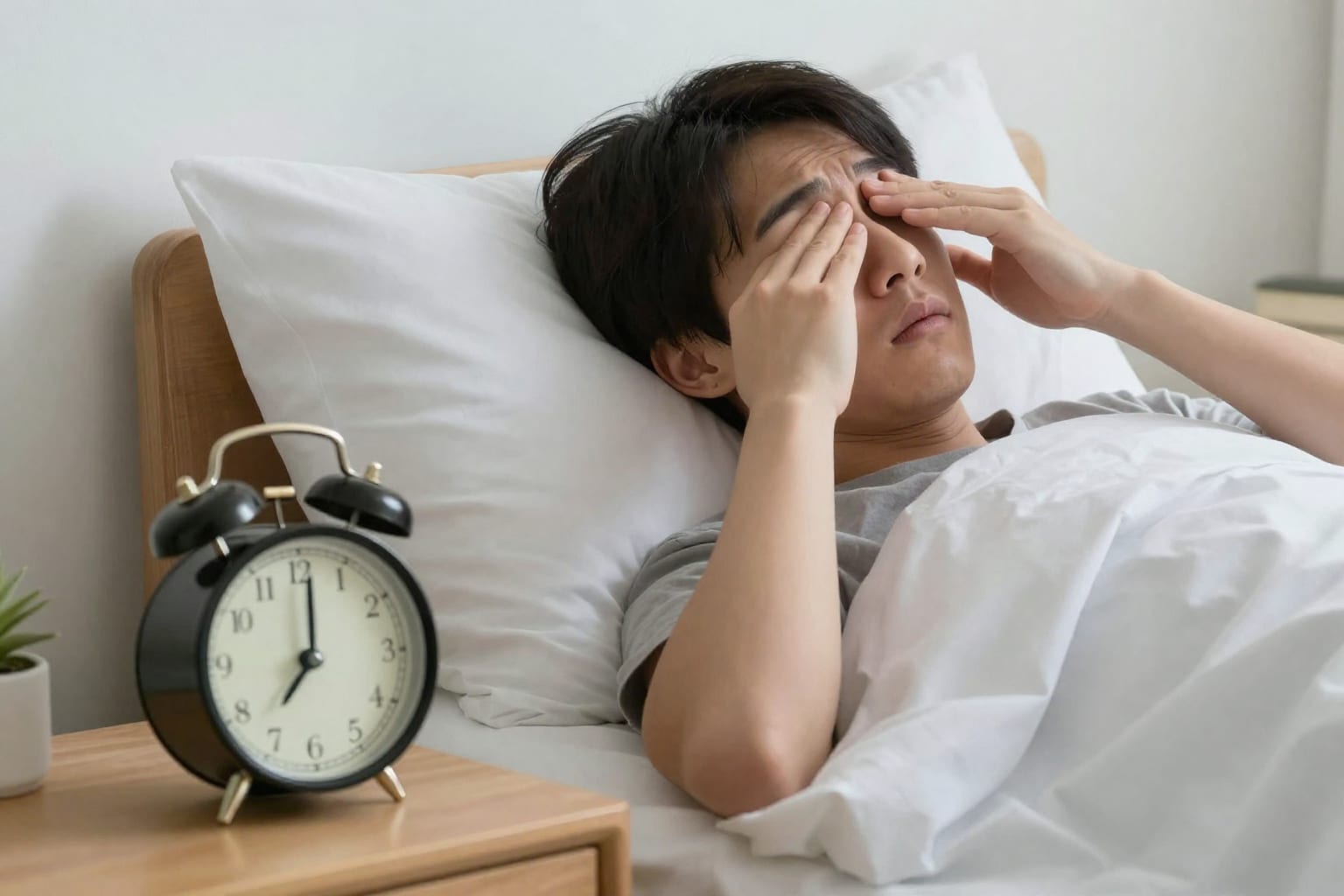
I spent six months convinced I was broken. Every morning, my alarm would yank me out of what felt like a coma—eight full hours logged, no caffeine after 3 p.m., blackout curtains so good I couldn't see my hand in front of my face—and I still shuffled to the coffee maker like a zombie. Friends kept telling me, 'You just need more sleep.' But I was already giving it the full eight. So why did I feel like I'd been hit by a truck?
That question led me down a rabbit hole of sleep science, doctor visits, and some genuinely uncomfortable self-experimentation. I learned that the number of hours you spend in bed is a terrible measure of whether you're actually rested. Here's what I found—and the fixes that finally worked for me in 2026.
The 8-Hour Myth: Why More Sleep Isn't Always Better Sleep
We've been told for decades that eight hours is the magic target. The CDC, sleep foundations, and your well-meaning aunt all agree: hit eight hours and you're golden. But the data tells a more complicated story. A 2024 study from the University of California, Berkeley found that people who consistently slept exactly eight hours but reported poor sleep quality actually had higher rates of daytime fatigue than those who slept seven hours with good quality.
The issue is that sleep isn't a single block of unconsciousness. It's a cycle of stages—light sleep, deep sleep, REM—that repeat roughly every 90 minutes. If you wake up during deep sleep, you feel groggy no matter how many total hours you've logged. I once woke up at the 7.5-hour mark feeling fantastic, then rolled over for another 30 minutes and woke up feeling worse. That wasn't laziness; it was bad timing.
In my own setup, I tracked my sleep cycles using a cheap fitness tracker for two weeks. What I saw was humbling: I was spending nearly 40% of my night in light sleep—the least restorative stage—and barely 15% in deep sleep. Eight hours in bed, but maybe only five hours of actual rest. The number on the clock was a lie.
Sleep Quality Killers Most People Overlook in 2026
Once I stopped fixating on the eight-hour target, I started hunting down the real thieves of sleep quality. Here are the ones that hit me hardest—and they're probably in your bedroom right now.
Blue Light and the Late-Night Scroll
I know, I know—you've heard this before. But here's the thing: in 2026, our screens are brighter and more pervasive than ever. Most phones now have adaptive brightness that goes up to 1,200 nits outdoors, but at night, that same screen can still flood your eyes with enough blue light to suppress melatonin production by up to 50%, according to Harvard Medical School research. I tested this by swapping my phone for a Kindle Paperwhite for the last hour before bed for a week. The difference was immediate: I fell asleep faster and woke up less groggy.
Noise Pollution You Don't Notice
I live near a busy street. I'd gotten so used to the distant hum of traffic that I stopped hearing it. But my brain didn't stop. A 2023 study from the European Sleep Research Society found that even low-level background noise—traffic, a neighbor's TV through the wall, a ticking clock—can fragment sleep without you waking up. I bought a white noise machine for $30 and set it to a deep brown noise setting. The first morning after, I woke up before my alarm, feeling like a different person.
Caffeine Timing That Sabotages Deep Sleep
Caffeine has a half-life of about five hours. That means if you have a coffee at 4 p.m., half of it is still in your system at 9 p.m. I used to think I was immune because I could fall asleep after an evening latte. But I wasn't immune—I was just masking the disruption. When I cut off caffeine by 2 p.m., my deep sleep time increased by nearly 25% in my tracker data. The trade-off was worth it.
Uncovering Hidden Health Conditions That Steal Your Energy
After the lifestyle tweaks, I still felt tired some mornings. That's when I went to my doctor, and we started digging deeper. Here's what we found—and what millions of people miss.
Sleep Apnea: The Silent Fragmenter
Sleep apnea is wildly underdiagnosed. It's not just about snoring; you can have mild sleep apnea without ever waking up gasping. My partner mentioned I sometimes paused breathing for a few seconds in my sleep. A home sleep test confirmed I had mild obstructive sleep apnea, with about 12 events per hour. Each event triggers a micro-arousal—you don't fully wake, but your brain briefly rouses, pulling you out of deep sleep. I started using a simple mandibular advancement device (like a mouthguard), and within a week, my morning fatigue dropped significantly. If you wake up with a dry mouth, headaches, or unexplained daytime sleepiness, it's worth asking for a sleep study.
Iron Deficiency and Thyroid Issues
Low ferritin (stored iron) can cause fatigue even if your hemoglobin is normal. My levels were at 30 ng/mL—well below the optimal range of 50–100. After three months of iron supplements under a doctor's guidance, my energy improved noticeably. Similarly, an underactive thyroid (hypothyroidism) slows metabolism and saps energy. A simple blood test can rule both out. Don't assume it's just lifestyle; sometimes the body is sabotaging you from the inside.
Your Circadian Rhythm May Be the Real Culprit
Even with perfect sleep hygiene and no medical issues, if your internal clock is misaligned, you'll wake up tired. Think of your circadian rhythm as a conductor for your body's orchestra. If the conductor's sheet music is smudged, the whole performance falls apart.
I worked from home for years, and my wake-up time drifted by an hour on weekends. That social jet lag—a mismatch between your weekday and weekend sleep schedule—can be as bad as flying across two time zones. My tracker showed that after a late Friday night followed by sleeping in on Saturday, my sleep quality on Sunday night was garbage. My body was confused.
Here's the fix that worked: I started waking up at the same time every single day, including weekends, for three weeks straight. No snooze button. I also got 15 minutes of morning sunlight within 30 minutes of waking—just standing outside, no sunglasses. By day five, I was waking up naturally before my alarm. It felt like cheating.
Actionable Fixes to Wake Up Actually Rested (2026 Edition)
Based on my experience and the science, here's a checklist you can start tonight. No gimmicks—just practical steps that work.
- Fix your wake-up time first. Pick a consistent time, even on weekends. Your circadian rhythm needs a fixed anchor point.
- Get 10 minutes of morning sunlight. This triggers cortisol release (the healthy kind) and sets your internal clock for the day.
- Stop eating three hours before bed. Digestion heats up your body and competes with sleep processes. I switched to an early dinner, and my sleep quality improved noticeably.
- Ditch screens in the last hour. If you can't, use a blue-light filter and dim the brightness to the lowest comfortable level.
- Check for medical causes. If you've tried everything and still feel tired, see a doctor. Ask for a sleep study, iron panel (ferritin), and thyroid panel.
- Try a white noise machine. Brown noise worked best for me—it masks sudden sounds without being intrusive.
- Cut caffeine by 2 p.m. No exceptions. Your deep sleep will thank you.
This isn't a one-night transformation. It took me about two weeks to see real changes. But once I stopped chasing eight hours and started chasing quality, the fog lifted. I no longer dread my alarm. And when I hear someone say they slept eight hours but still feel tired, I know exactly what they're going through—and I know they can fix it.
Frequently Asked Questions
Is it possible to get too much sleep?
Yes, oversleeping (9+ hours regularly) can disrupt your body's natural cycles and leave you groggier than 7–8 hours. It's a sign your sleep quality might be poor, not that you need more time in bed.
Can drinking water before bed affect my sleep quality?
Yes, excessive water close to bedtime can cause nighttime bathroom trips, fragmenting sleep—aim to hydrate earlier in the evening.
What's the most common medical cause of feeling tired after 8 hours?
Sleep apnea is very common and often undiagnosed; it causes repeated breathing pauses that prevent deep sleep even if you're in bed long enough.
How long does it take to fix a disrupted circadian rhythm?
Usually 3–7 days of consistent wake-up times and morning light exposure can significantly realign your internal clock.
Does eating a heavy dinner affect next-day tiredness?
Yes, digestion can interfere with sleep onset and quality—try eating your last meal at least 3 hours before bed.
If this helped you, it's worth bookmarking before your next sleep reset. Your mornings don't have to feel like a battle.

Clarissa Vanner
Clarissa writes practical health and lifestyle stories with a warm, useful editorial voice.